


I paid four hundred rupees for one avocado last week. It sat in a Bangalore supermarket under a little sticker saying it had flown in from Peru. It grew on a tree somewhere for almost nothing, and knowing the full price was far away in my hand, I bought it anyway (the guacamole recipe video on YouTube wins). I wanted the faraway thing we always have. As a kid, it was imported chocolate in gold foil that cost a week’s pocket money. Now it’s a Peruvian fruit, and on worse nights, a coin on the screen.
It feels like a modern sickness, this premium we pay just to hold something from somewhere else. Until now, I looked at it as a globalised supermarket problem. Then I read the book, A Splendid Exchange by William Bernstein. Published in 2008. This book is about humans, so is every book.
This one follows it all the way down to a single piece of glass, carried across a Stone Age sea. That’s where we want to start.

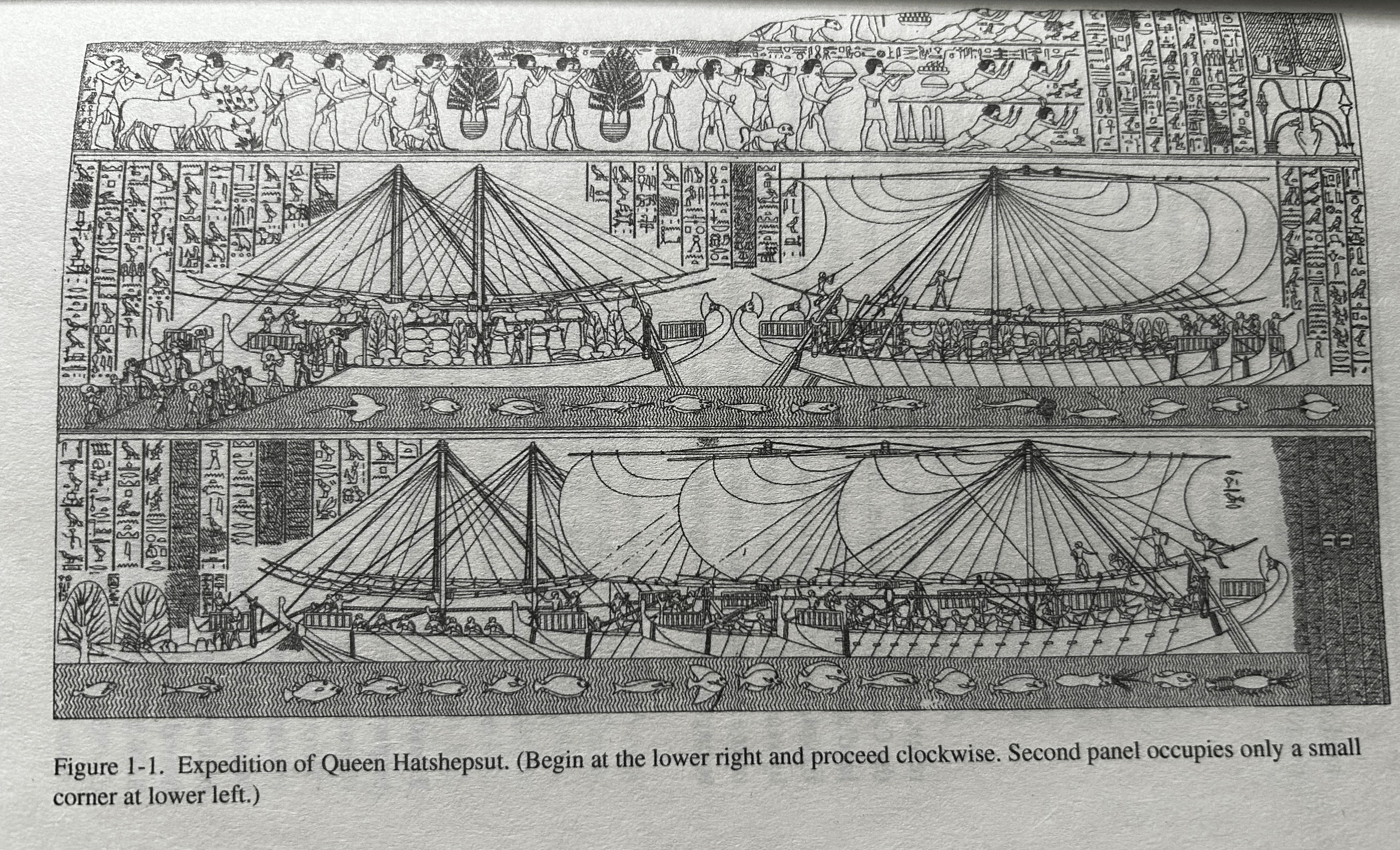
Twelve thousand years ago, long before the invention of the wheel, the first writing, or the concept of a sovereign state, human beings were already risking their lives to trade. Deep within the dark recesses of Greece’s Franchthi Cave, archaeologists unearthed shards of obsidian. It is a razor-sharp, volcanic glass that could only have come from the island of Melos, over a hundred miles away across the open waters of the Aegean Sea. Why did these early humans risk drowning in primitive boats just to fetch shiny black rocks?
We know where it came from because obsidian keeps a secret. Bernstein notes that atomic fingerprinting can trace these obsidian flakes as they travel thousands of miles from their volcanic origins.
Every volcano lays down its glass with a slightly different mix of atoms, like a chemical signature. You cannot fake it or lose it. The archaeologist Colin Renfrew followed those signatures across the Fertile Crescent and found the pattern that gives the whole game away. Two hundred and fifty miles from an Armenian source, half the cutting stone in a village was obsidian. Five hundred miles out, it was two per cent. The farther the glass travelled from the mouth of its volcano, the rarer and dearer it became.
I find this almost mind-blowingly beautiful. A sliver of glass, sharper than a modern scalpel, moving hand to hand across a roadless world, each village keeping a little and passing the rest along. A peer-to-peer network running eight thousand years before we decided we invented the idea.
Trade is older than farming and older than the written word. It might be the oldest thing we do that isn’t eating or sex.
Why did we do it? Because we are a little bit insane.
Pepper grew on one coast of India, and nowhere the Romans could reach. To get it, ships had to catch the monsoon at the right week, run open ocean with no sight of land. They trusted the wind to carry them home, hoped for it, but it turned and drowned plenty of them. The ships went, again and again, because a sack of peppercorns bought at the source came back to Rome multiplied many times over. This might sound silly for all the effort, but a rich Roman just wanted his meat to taste of somewhere far away.
Pliny grumbled that pepper had no real merit beyond its bite. Romans crossed the earth and paid for it by weight, like gold. When Alaric and his Goths finally had Rome by the throat in 408, part of the ransom they demanded was three thousand pounds of pepper. The city that ruled the world bought its life partly in spice.
When Alaric and his Goths finally had Rome by the throat in 408, part of the ransom they demanded was three thousand pounds of pepper. The city that ruled the world bought its life partly in spice.
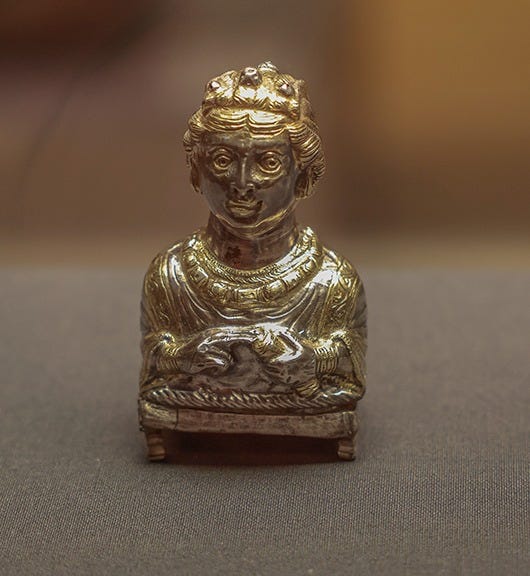
I have to stop here because this one is personal. That coast the Romans were dying to reach, the one place their pepper grew, is my coast. I’m from Calicut, on the Malabar shore, the pepper capital of the medieval world. The black spice Alaric took as ransom for Rome grew in the hills behind my hometown, cheap as weeds, close to free where it stood.
Everything that made it precious got added on the way out, by distance and danger and the men who owned the ships.
Bernstein tells this story from the buyer’s chair. He talks about how ancient Rome, old Europe, and big markets always wanted rare things from far away. Funny to read, the view from here is uglier. Not to be all emotional about it, but markup was never really the reward for the risk. It was the prize for controlling the gap between the source and those who really wanted it. And sooner or later, the people who controlled the gap will come and take the source itself. In 1498, Vasco da Gama’s ships reached the coast, and he sailed back a few years later with cannons. But the coast just got a new owner. For a thousand years, the world paid huge premiums for goods from far away. When the buyers finally reached the actual source of those goods, they brought warships to take control of it by force.
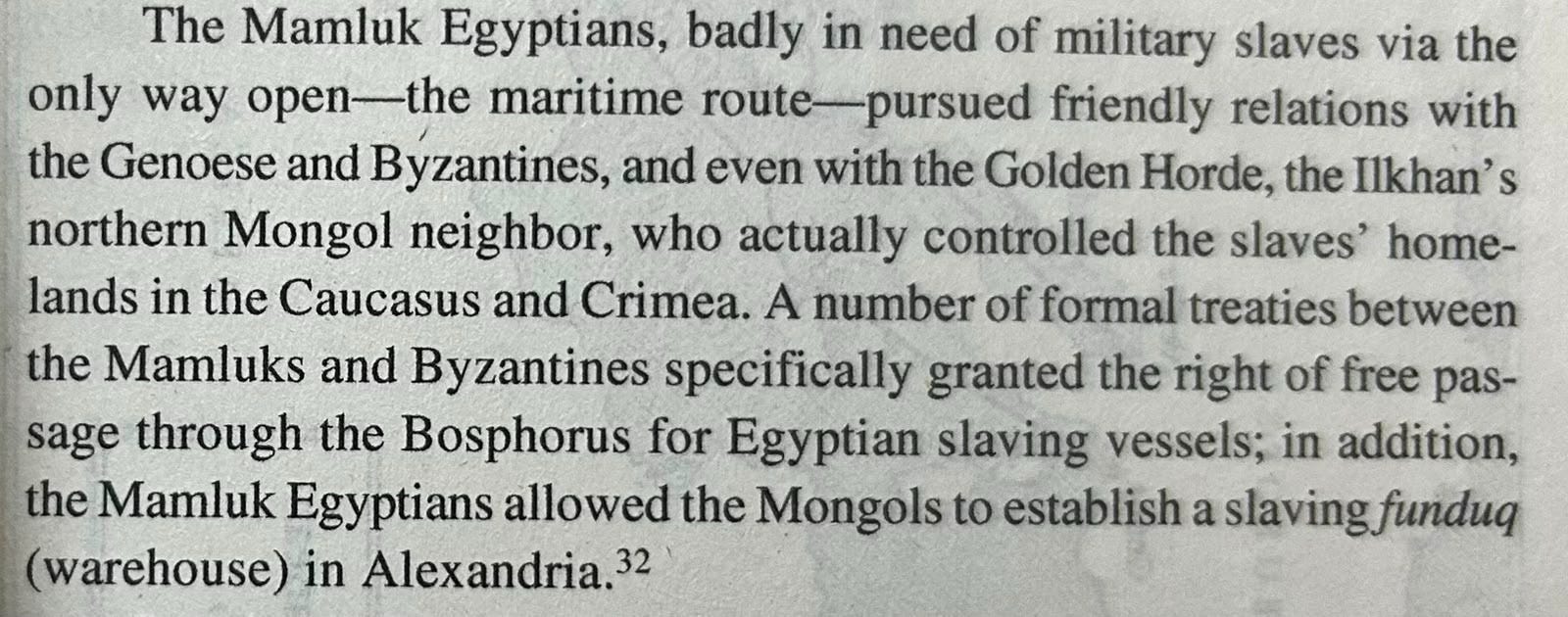
Setting the Indian textbook aside and going back to Bernstein, he has a chapter he calls “The Captives of Trade.” The same ships that carried the pepper carried people. Between about 1200 and 1500, Italian merchants became the richest slave traders on earth, buying human beings on the shores of the Black Sea and selling them into Egypt. People far away would pay money for them, and the middlemen who controlled the narrow routes kept the extra profits.
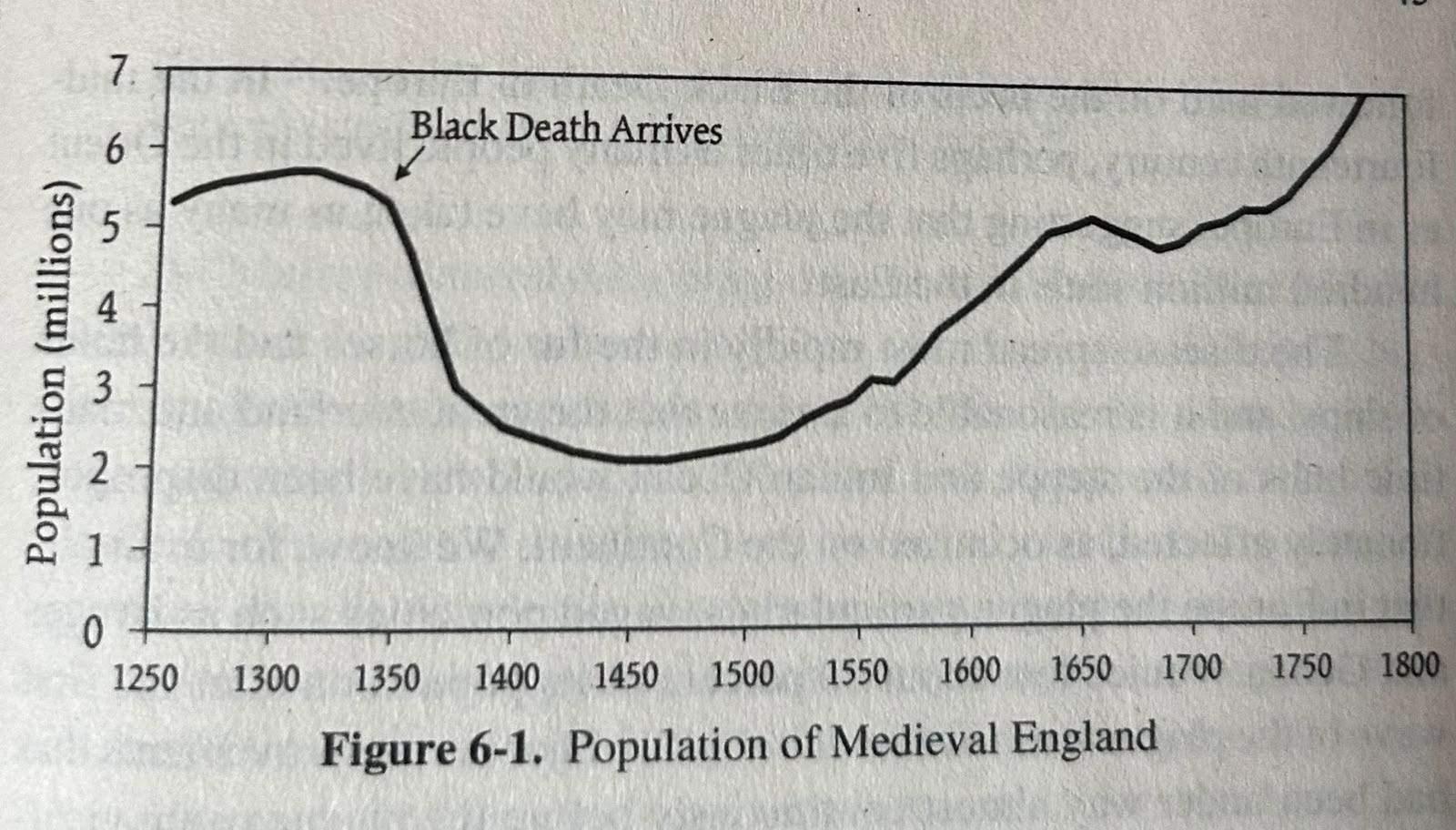
Trade routes also acted like an early version of the internet. They carried things that moved much faster than regular cargo, like new ideas, religions, and deadly diseases. For example, religions like Islam and Buddhism spread across the world along the exact same paths used by merchants. The roads moved silk and spice, and they moved gods. Then, in 1347, the network delivered its most efficient shipment ever. The Black Death rode the same Silk Road caravans and Genoese ships that carried the luxuries, and it killed something like a third of everyone between China and Ireland. Bernstein calls the plague a stowaway, and the word is perfect if you ask me. Mind-virus and the actual virus riding along beside trades, unpriced.
For a while, we thought crypto was that. We really believed, a few years ago, that these networks were the modern Silk Road (not that one) and that the ideas riding them, open money, code instead of banks, ownership without a landlord. We said it would spread like a faith and rewire how the world thinks about value. Tough to believe now, and reading Bernstein is part of why.
I see crypto as the pepper, not the plague, in this set-up. Exciting, a niche luxury product traded by a small group. Most of the planet has never been touched and is not being thought about.
Then what is the thing that spreads like Islam down the incense road right now? It’s the dollar, slipping into every weak-currency country in the world through a stablecoin, so that a shopkeeper in a collapsing economy saves in someone else’s money. And the thing spreading like the Black Death is whatever is loose in the models now, the synthetic flood, the machine-made everything. Crypto flatters itself that it is the contagion. On the evidence, it looks like a spice. Is that a win-win?
What crypto did keep, perfectly, is the old shape. It promised to kill the markup, to cut out the merchant and the king and the temple and let value move hand to hand like obsidian. All we could end up doing was creating new markups, such as for early investors and token issuers. Regular retail investors take all the financial risk, and when markets crash, they lose their money while the new middlemen keep the profits.
William Bernstein trained as a neurologist and then became one of the most trusted investing writers alive. He once said that all the things that make us human make us terrible investors, and you have to learn what they are and how to avoid them. The fear, the greed, the herd pull, the certainty/uncertainity. A Splendid Exchange is the long proof of that message.
The people who win in investing are the ones who stay completely calm when everyone else panics or gets greedy. Money always moves in one direction, which is away from normal, emotional people and into the pockets of the few who control their feelings. Holding power is about controlling your own humanness. The small group of people at the top stay rich simply because they keep a clear head while the rest of the world loses theirs.
This is where part one leaves me, halfway through a book about how trade built the world. The stone changes. Whether it is obsidian, pepper, silk, or crypto tokens, the specific item being traded doesn’t matter anymore and that’s evolution. We realised that tokens and all the shiny things were a distraction from the system, its flaws, and its corruption.
Being human is expensive, and someone standing at the narrow point has always known it. The second half of the book is where that machine goes industrial, where companies get their own armies and free trade gets a philosophy, and the whole thing scales up into the world we live in now. That’s part two. I will look more closely at the insane psychological wiring that drives us. Until then, hold this thought.

Token Dispatch is a daily crypto newsletter handpicked and crafted with love by human bots. If you want to reach out to 200,000+ subscriber community of the Token Dispatch, you can explore the partnership opportunities with us 🙌
📩 Fill out this form to submit your details and book a meeting with us directly.
Disclaimer: This newsletter contains analysis and opinions of the author. Content is for informational purposes only, not financial advice. Trading crypto involves substantial risk - your capital is at risk. Do your own research.