


You’re trying to decide between two apartments. Same rent, same commute, same square footage. One is on a side street; the other faces the main road. You pull up Google Maps, zoom in, and stare at the little lines representing traffic flow. You try to remember if anyone mentioned noise in the reviews. You consider driving by at different times of day to listen, but who has time for that?
What you actually want is a number. How many decibels, on average, at 7 a.m. on a Tuesday? What about Friday nights? Is this a “garbage truck at 5 a.m.” street or a “quiet enough to sleep with the windows open” street?
I know this problem intimately. I’m from Bangalore, India, where noise is the main event, not the background. Auto-rickshaw horns that start at 5 a.m. and don’t stop. Construction sites that operate on their own timezone. Wedding processions with sound systems you can hear three blocks away. The city’s default mode is 75 decibels, and if you want quiet, you either pay a fortune for a gated community far from the center or you learn to sleep through it.
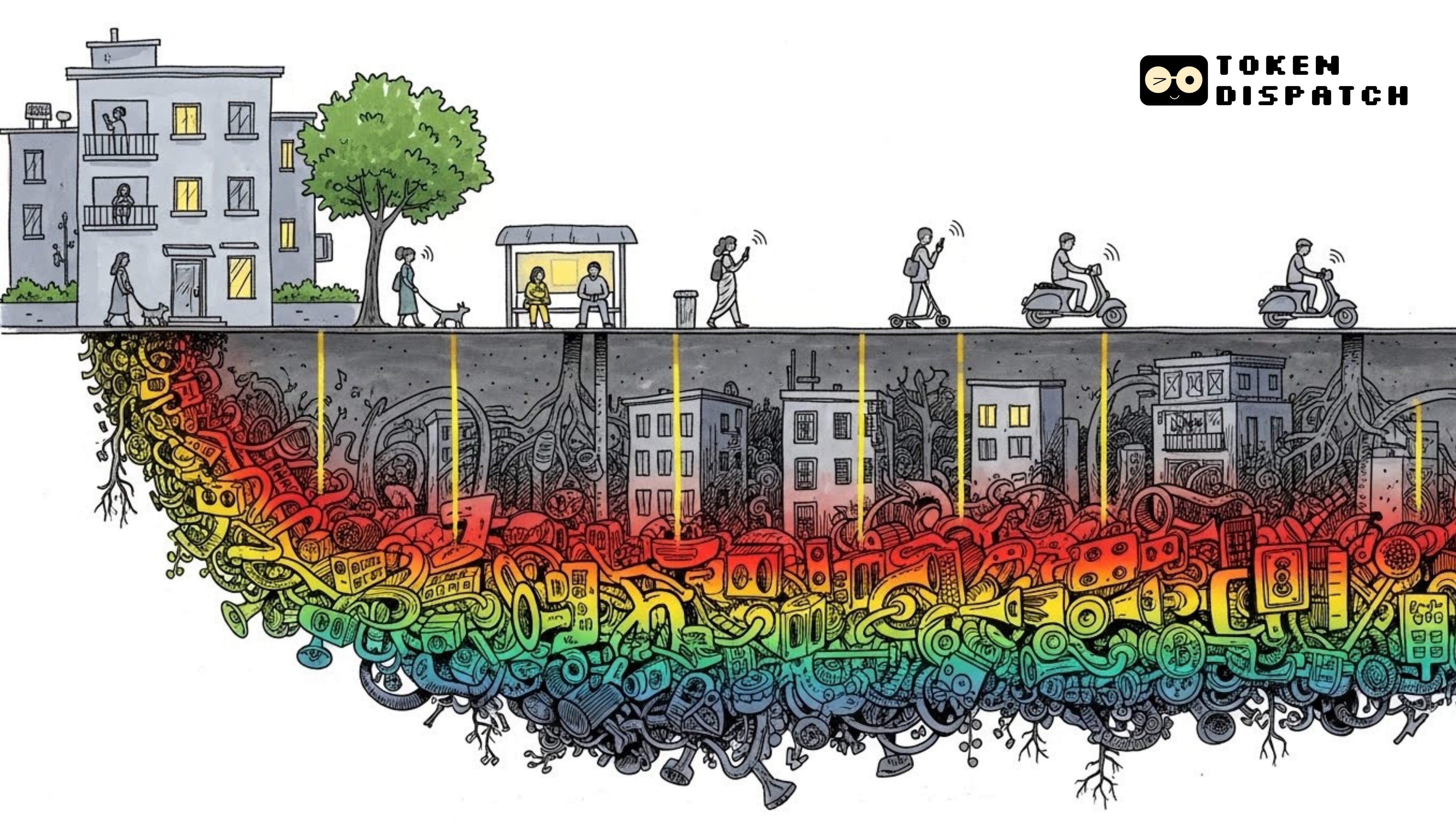
But even in Bangalore, even in a city where everyone knows it’s loud, there’s no actual map. No way to know which neighborhood is merely chaotic versus genuinely unbearable. No data to tell you that the apartment on Indiranagar’s 100 Feet Road will ruin your sleep, while the one two streets over might actually be tolerable. You just... guess. Or ask around. Or sign a lease and hope.
That data doesn’t exist anywhere, really. Cities have noise maps, but they’re based on traffic models and sporadic measurements, not real readings from actual streets at actual times. You could buy a decibel meter and camp out for a weekend, but that seems excessive for a rental decision.
Silencio would like to solve this problem by paying people to turn their phones into noise sensors.

So what is Silencio?
Silencio is a free app that turns your smartphone into an anonymous noise sensor. You walk around, the app measures decibel levels, and you earn Noise Coins as rewards. No audio recording, just numbers measuring how loud your surroundings are.
You’re helping build the world’s largest database of real-world noise data.
The data goes into a live noise map that anyone can check. City planners use it to design quieter streets. Real estate platforms buy it to show noise levels on listings. Hotels use it to verify their “quiet room” claims actually mean something.

And you get paid for your contribution.
The app already has over 800,000 users across 180+ countries. They’ve collected data covering more than 43 billion square meters and recorded over 8 million hours of measurements. It’s become the world’s largest noise intelligence platform, and it’s still growing.
Let’s not treat noise pollution as a minor inconvenience. It messes with sleep quality, spikes stress hormones, tanks productivity, and increases the risk of cardiovascular disease.
The World Health Organization calls it a serious public health threat. The European Environment Agency ranks it alongside air pollution as one of the top environmental dangers. Studies show chronic noise exposure shortens life expectancy and drives up healthcare costs worldwide.
But most cities have no idea where their noise problems actually are.
Current noise maps are built from tiny samples, extrapolated across entire neighborhoods. A city might measure 50 streets and pretend that data applies to 5,000. The result? Governments spend millions on noise barriers in the wrong places while actual problem zones get ignored.
The European Union’s Environmental Noise Directive requires countries to prepare noise maps and action plans. But the data they’re working with is often years old, incomplete, and based on models rather than real measurements.
What’s missing is real, hyperlocal data collected at scale. That’s what Silencio provides.
How Silencio Works
Here’s the actual user flow:
Download the app (iOS or Android, totally free).
Your phone measures noise levels in decibels (dB[A]), which is adjusted for how human ears actually hear sound.
Data gets anonymised and stripped of anything personally identifiable.
Contributes to a live noise map showing real-time and historical noise levels globally.
You earn Noise Coins for every measurement, which can be used in the Silencio ecosystem.
Optional: Convert those coins into $SLC tokens, which have actual market value.
The app never records audio. It just captures the loudness level. You’re not accidentally uploading conversations or street sounds. Just a number that says, “This spot measured 72 dB(A) at 3 PM on Tuesday.”
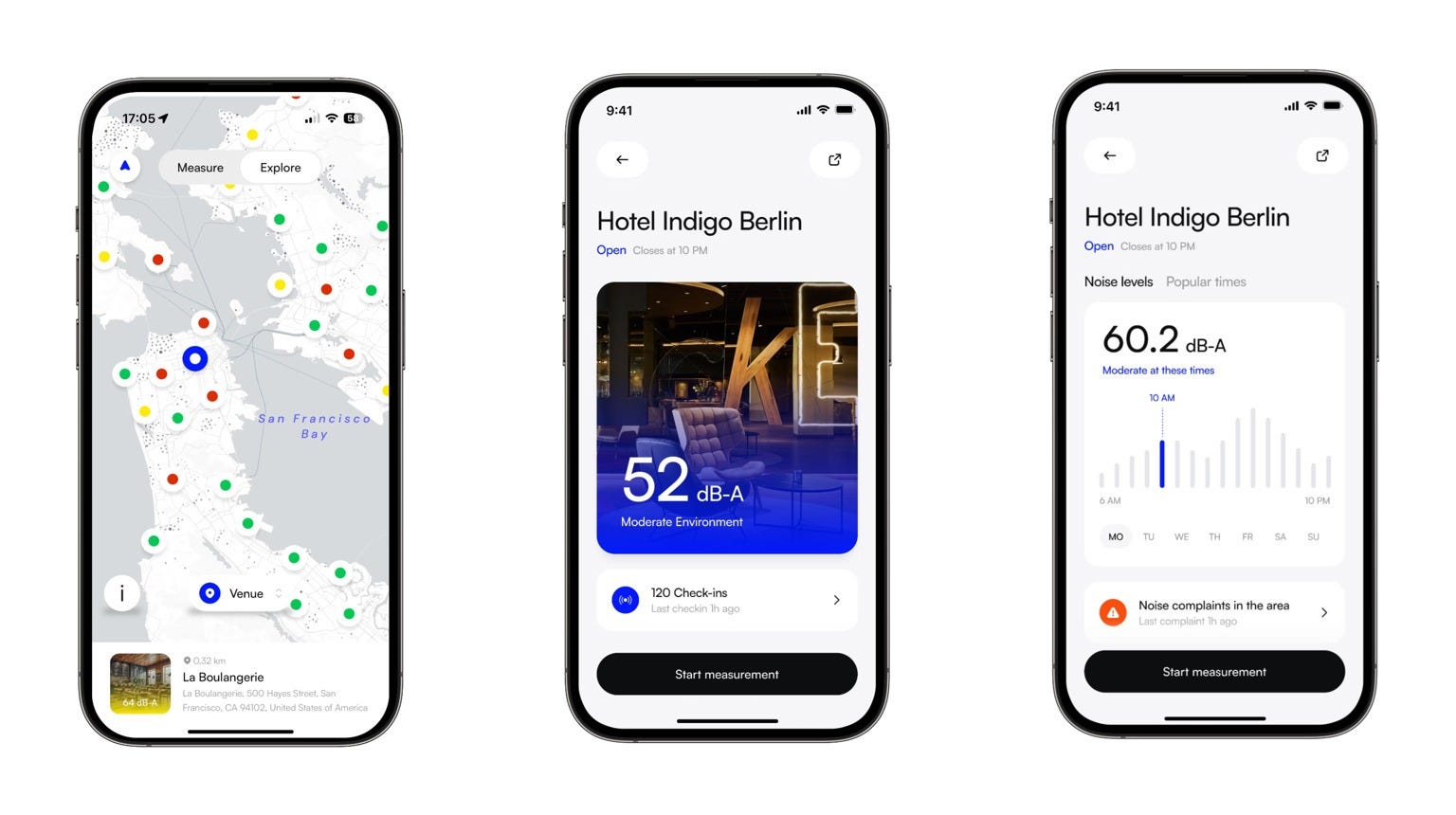
There are two main ways to contribute data. You can do “open measurements” by walking around your neighborhood for up to 30 minutes while the app is running. Or you can do “venue check-ins” at restaurants, hotels, cafes, and other places where you spend time. Each venue check-in takes 15 seconds.
The venue data is particularly useful. Ever wonder if a restaurant is going to be so loud you can’t have a conversation? Silencio users have checked into millions of venues worldwide, creating the most comprehensive database of restaurant and hotel noise levels that exists.
Blockchain is used by Silencio to verify consent and reward contributions. Every time you measure noise, that action is logged on-chain with a timestamp and device ID (not your personal info). This creates a tamper-proof record that data buyers can trust.
The Three Layers
Silencio operates through three different data collection layers, each serving different markets and use cases.
Silencio Sound Check: The Noise Mapping Layer
This is what most users interact with: the mobile app that measures environmental noise levels and builds real-time maps.
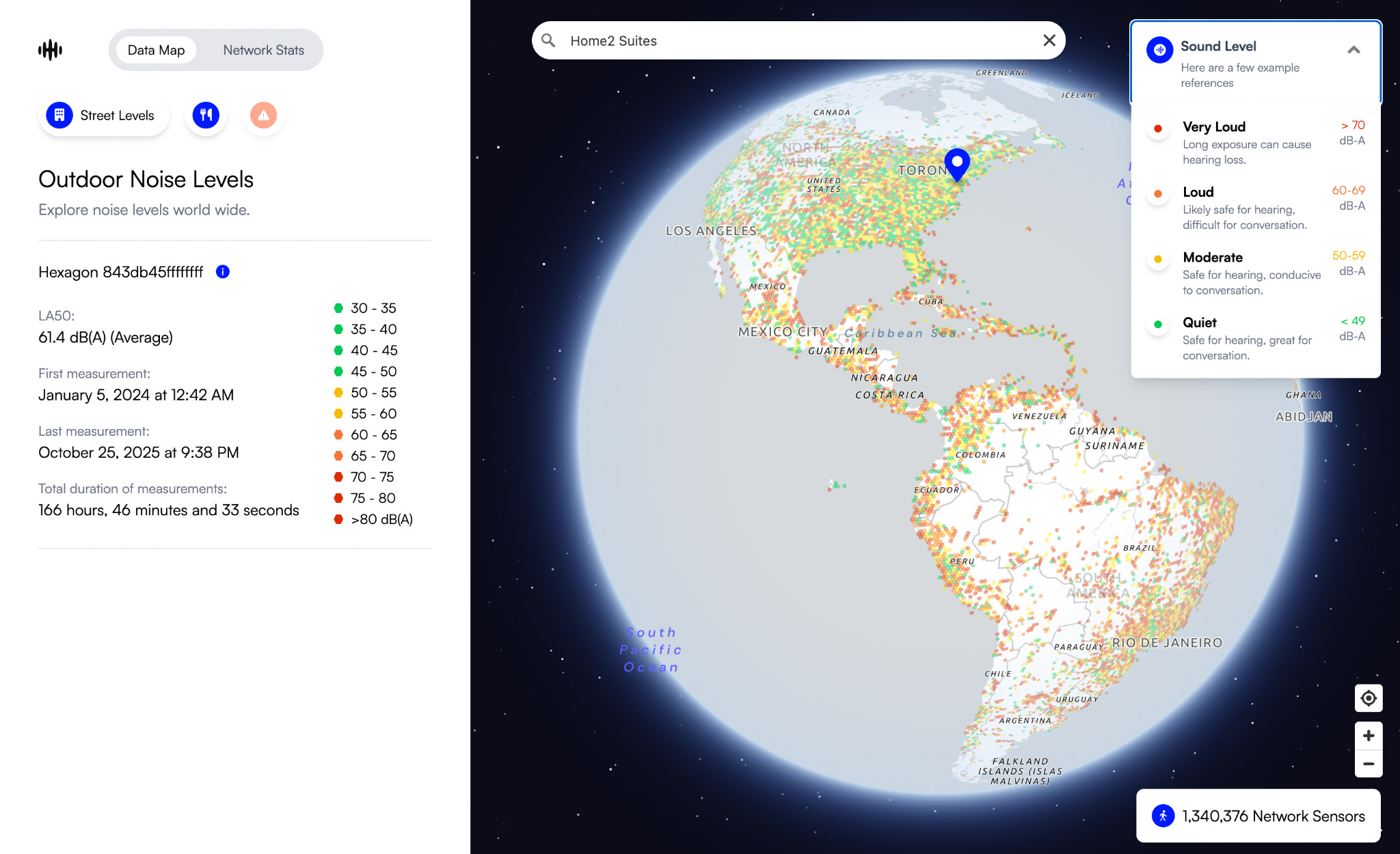
You can check street-level noise for any address, see venue noise ratings for restaurants and hotels, and file noise complaints that get tracked over time. The data gets sold to real estate platforms (think Zillow, Realtor.com, Airbnb), urban planning departments, insurance companies assessing health risks, and hospitality platforms that want to offer “verified quiet” filters.
Cities like New York get over 5,000 noise complaints daily. But there’s no standardised system to track patterns or measure the effectiveness of noise reduction efforts. Sound Check fills that gap.
The Chrome extension makes this even more useful. It integrates directly with Booking.com, Airbnb, Google Maps, and real estate sites to show you noise scores right where you’re already searching.
Silencio Voice AI: The Speech Data Layer
This one runs in your browser. No download needed.
Users contribute voice recordings to train AI models and voice assistants. You read scripted prompts, provide free speech samples, or record command phrases. All data is anonymised, and contributors are rewarded with tokens.
The market for multilingual speech data is exploding. Companies training models need diverse accents, dialects, regional variations, and real-world audio conditions. Not sterile studio recordings.
Silencio captures speech data from 180+ countries with natural background noise, different acoustic environments, and authentic pronunciation patterns. That’s the kind of training data that AI labs will pay serious money for.
Target buyers include companies such as OpenAI, Anthropic, Google DeepMind for language models. Amazon Alexa, Google Assistant, Apple Siri for voice assistants, as well as voice synthesis companies like ElevenLabs and Murf.ai.
Silencio Live Audio: The Future Layer
This layer isn’t live yet, but it’s the vision for where this all goes.
The idea is to create a decentralised real-time audio network. Not just periodic measurements, but continuous live audio streams from phones, IoT devices, vehicles, and smart home systems. All privacy-compliant, all ethically sourced, all feeding into a global acoustic intelligence layer.
This data layer will support robotics and embodied AI. Autonomous vehicles that need to hear sirens. Home robots that respond to voice commands in noisy kitchens. Drones that navigate using acoustic signals. City-scale digital twins that include live sound data for emergency response.
Potential buyers include robotics companies (Boston Dynamics, Tesla Robotics), autonomous vehicle developers (Waymo, Cruise), and AI research labs building the next generation of multimodal models that need to understand the world through sound, not just vision.
It’s ambitious, but it’s also the logical endpoint if the first two layers prove successful.
Silencio ran a community token sale that generated $112 million in allocation requests for a $500,000 raise target. That’s 220x oversubscribed. They intentionally only accepted $1.3 million to keep the community focus strong, rather than taking massive venture capital that would dilute early users.
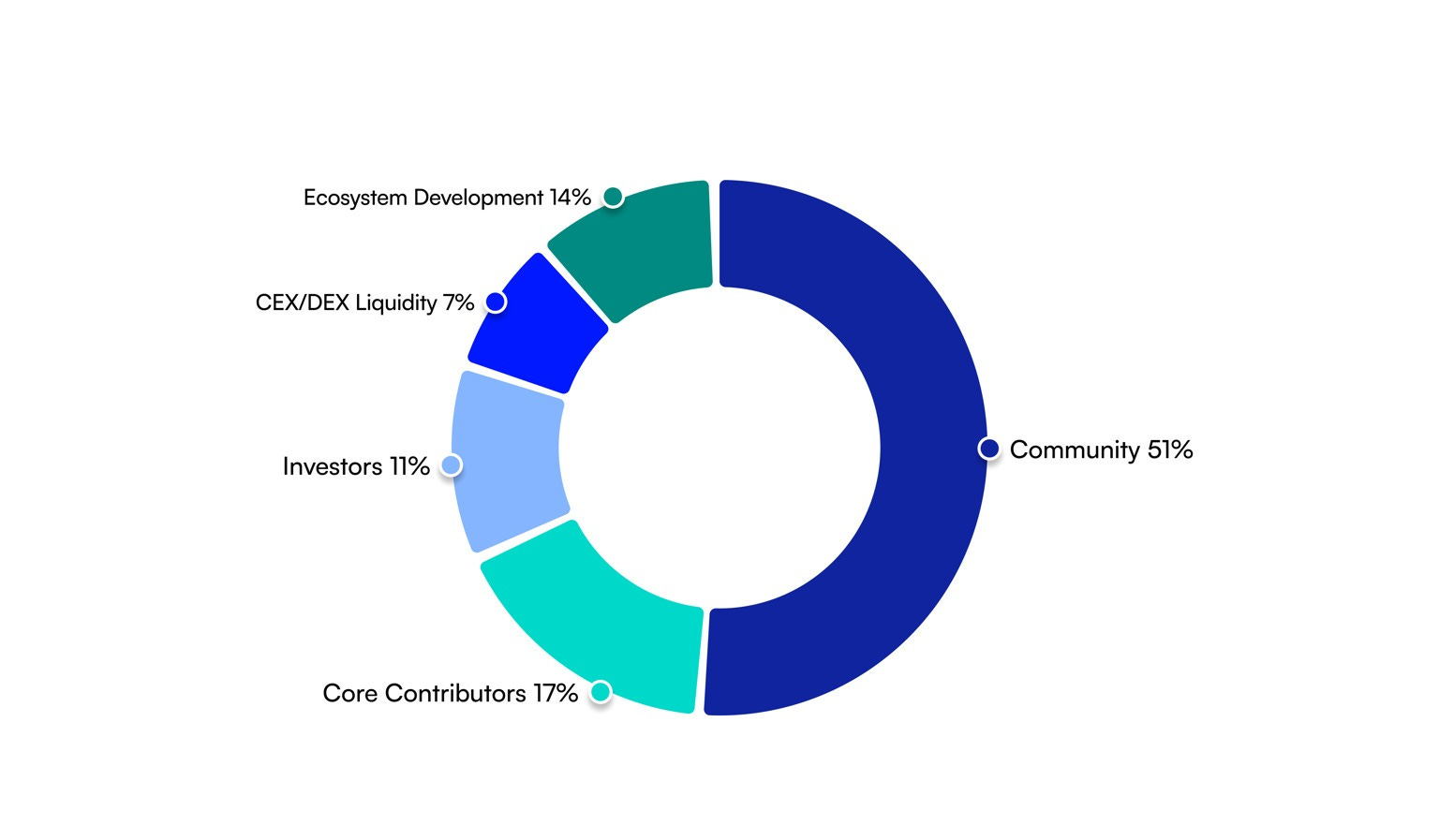
The token launched in December 2024. $SLC is now live and trading on major exchanges, including KuCoin, Gate.io, and MEXC. The total supply is 100 billion tokens, with the majority allocated to community rewards over 10 years. Early beta testers received a one-time airdrop of 7.5 billion tokens (50% unlocked at launch, 50% vested over six months). The monthly raffle system distributes tokens from the community reserve, with over 100 million unique prizes available each month.
Why Crypto is Even Involved Here
Fair question. Most people don’t care about blockchain. They care about whether something works and whether they get paid.
Here’s why Silencio uses tokens instead of just paying cash:
Rewards need to scale globally. Sending $2 payments to users in 180+ countries through traditional banking is expensive and slow. Between wire fees, currency conversion, and payment processor cuts, you’d lose half the money before it reaches users. Tokens make micro-payments practical. Someone in Kenya and someone in Brazil can both get rewarded instantly with the same system.
The token creates an ecosystem. Data buyers pay in $SLC, which drives demand. That demand gives the token value. Token value incentivises more users to contribute data. More data makes the product more valuable to buyers. It’s a flywheel that doesn’t work as well with traditional currency.
Blockchain proves consent. Every contribution is logged on-chain, showing that users explicitly opted in. This matters for data buyers who need to prove they’re not using sketchy, scraped data that violates privacy laws. With GDPR and other privacy regulations getting stricter, having verifiable proof of consent is worth real money.
It builds a sustainable business model. Silencio takes 75% of data sales revenue and uses it to buy back $SLC tokens from the market. Half of those bought-back tokens get burned (permanently removed from circulation), and the other portion goes to the treasury. This creates deflationary pressure on the token while funding continued development.
This is just practical infrastructure for a global data collection network. The crypto part stays in the background. Most users just see an app that pays them.
Silencio isn’t going to make you rich from measuring your morning commute. The rewards are modest. You’re not retiring off noise measurements.
But it might cover your Spotify subscription while helping cities get smarter about noise pollution. And next time you’re deciding between two apartments or booking a hotel in an unfamiliar city, you’ll actually know which one lets you sleep.
The app is free. Setup takes five minutes. You can start with venue check-ins at places you already go, which only take 15 seconds each. If you like it, you can do longer measurements and turn on passive mode.
Worst case, you delete it after a week, and you’re out nothing. Best case, you discover your neighbourhood is way louder than you thought, and you finally have data to back up those noise complaints you’ve been meaning to file.
And hey, maybe help build the world’s largest citizen science project along the way.
See you next week with another product explainer.
Until then, DYOR.

Token Dispatch is a daily crypto newsletter handpicked and crafted with love by human bots. If you want to reach out to 200,000+ subscriber community of the Token Dispatch, you can explore the partnership opportunities with us 🙌
📩 Fill out this form to submit your details and book a meeting with us directly.
Disclaimer: This newsletter contains analysis and opinions of the author. Content is for informational purposes only, not financial advice. Trading crypto involves substantial risk - your capital is at risk. Do your own research.