


Yesterday I built an easy puzzle with our Hermes agent on Slack, and then I failed to solve it. So somewhere between doubting my own reasoning and staging a small personal remake of Memento, I started writing a guide (to myself) on spending 5 dollars on your AI agent.
I haven’t spent all of it yet. One email address turned out to be the expensive part, which I’ll come back to.
I wanted to make a pet generator, half because I love animals, half because I couldn’t think of a more fun way to test an agent that has its own wallet.
What I ended up with is Pixel Pet Studio. A dumb little AI game that only survives twenty-four hours unless enough people play it and download pets for a fraction of a cent.

So my agent runs a do-or-die business now, cuter than it sounds. (Pretty sure it will die off in a few hours.) It sells pixelated ducks, turtles, penguins, and some other animals for five cents each on a computer it rents by the day, taking the money and paying its own rent without me. I’m the only staff member, and I just modify things now and then. There’s no owner unless you want to call the agent “owner” after reading on.
This is a complete record of everything I did, paying an AI Agent $5, apart from a dying pixel-selling business.

Umia: The On-Chain Venture Protocol
Funding projects today means choosing between suboptimal options: traditional finance is slow, a plain token launch is fast but uncorrelated with the venture, and dual token-equity leaves the split unclear.
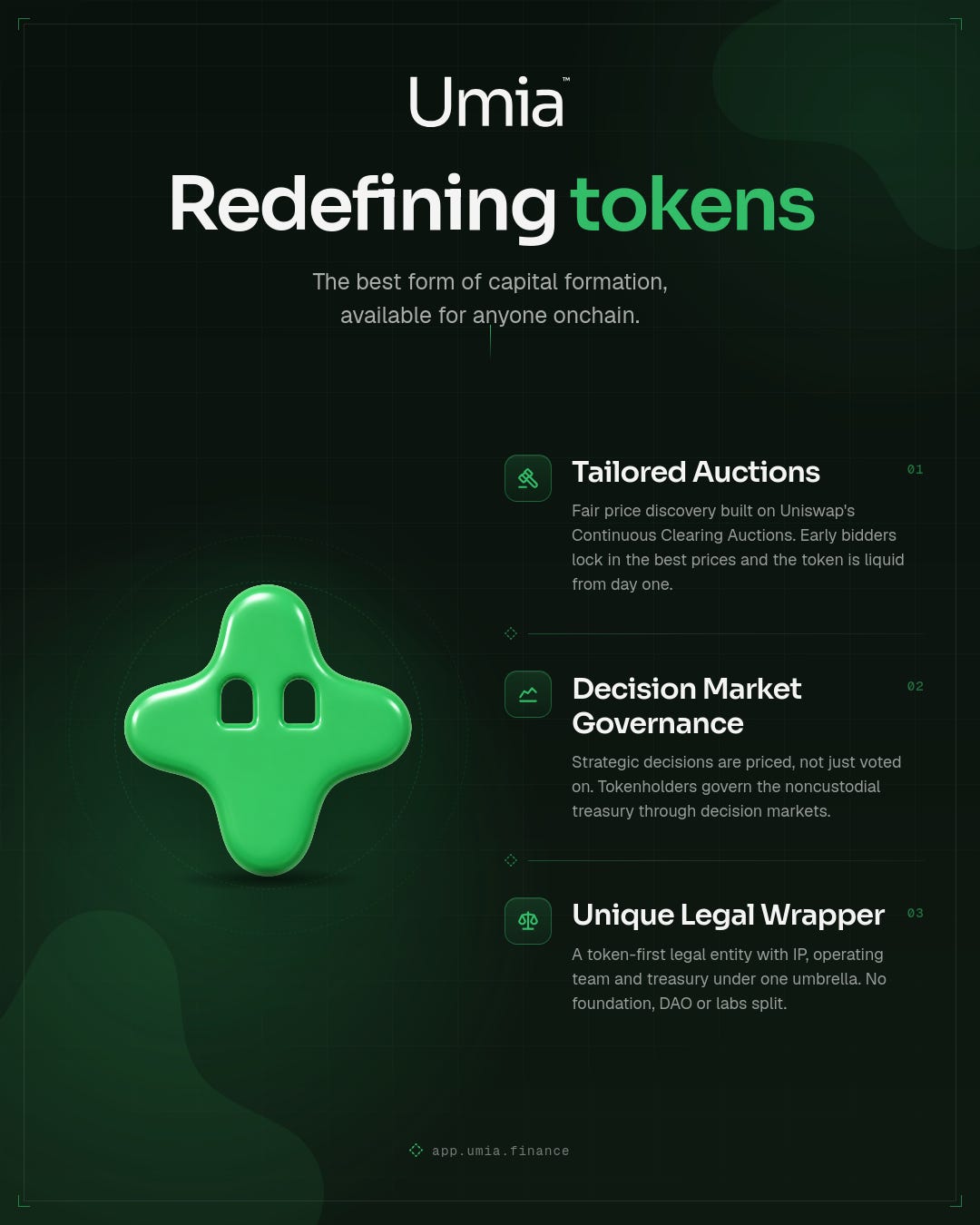
Umia fixes this with a full-stack that tackles launching, funding, governance, and a legal structure that ties the token to the project’s IP and treasury.
Umia’s tailored auctions ensure fair price discovery using Uniswap’s Continuous Clearing Auctions, funds raised land in a noncustodial treasury the team never control, and big decisions run through decision markets. Traders shape the venture’s direction by backing the outcomes they believe in with real capital (futarchy).
Umia is walking the talk. On August 26, Umia is launching its own token this way.
Before we could test anything, the agent had to create its own wallet so I had somewhere to deposit the funds. It ran the terminal commands to generate the address and secured the private keys locally. It is completely hiding the actual access codes from me and anyone else on the team.
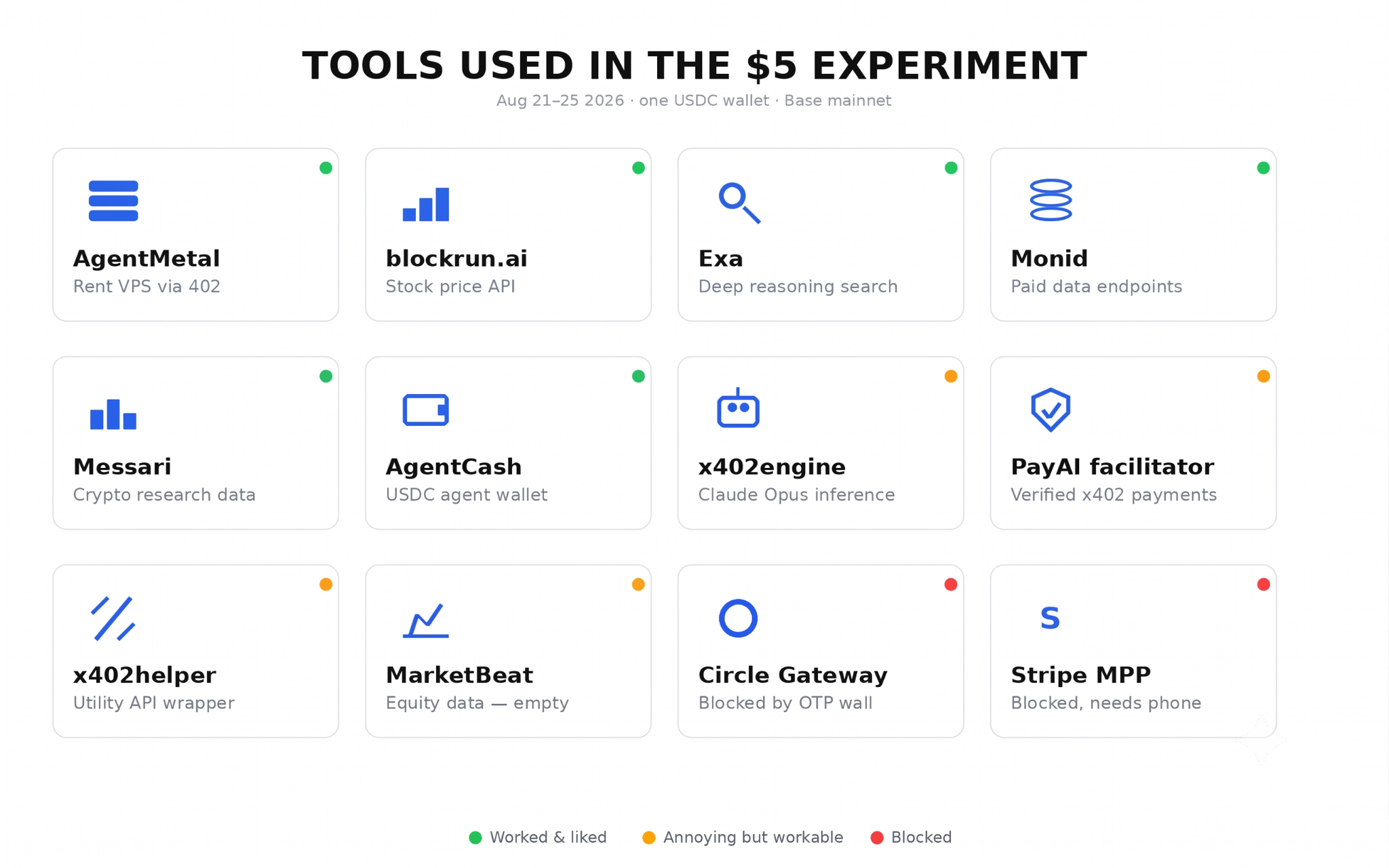
We funded the AgentCash wallet it created with $5.144306 on Base, set a $4 software spend cap, and dropped Hermes into our Slack so I could spend all the money. Robot money is different from human money. $5 dollars can buy you a coffee, but an AI agent can do 100 things with it, maybe because it can’t want coffee, but it’s a good thing to keep in mind. Because, as we talked about a few days ago, agents buy the internet wholesale, paying a fraction of a penny for raw data.
Read: Paying Is Easy
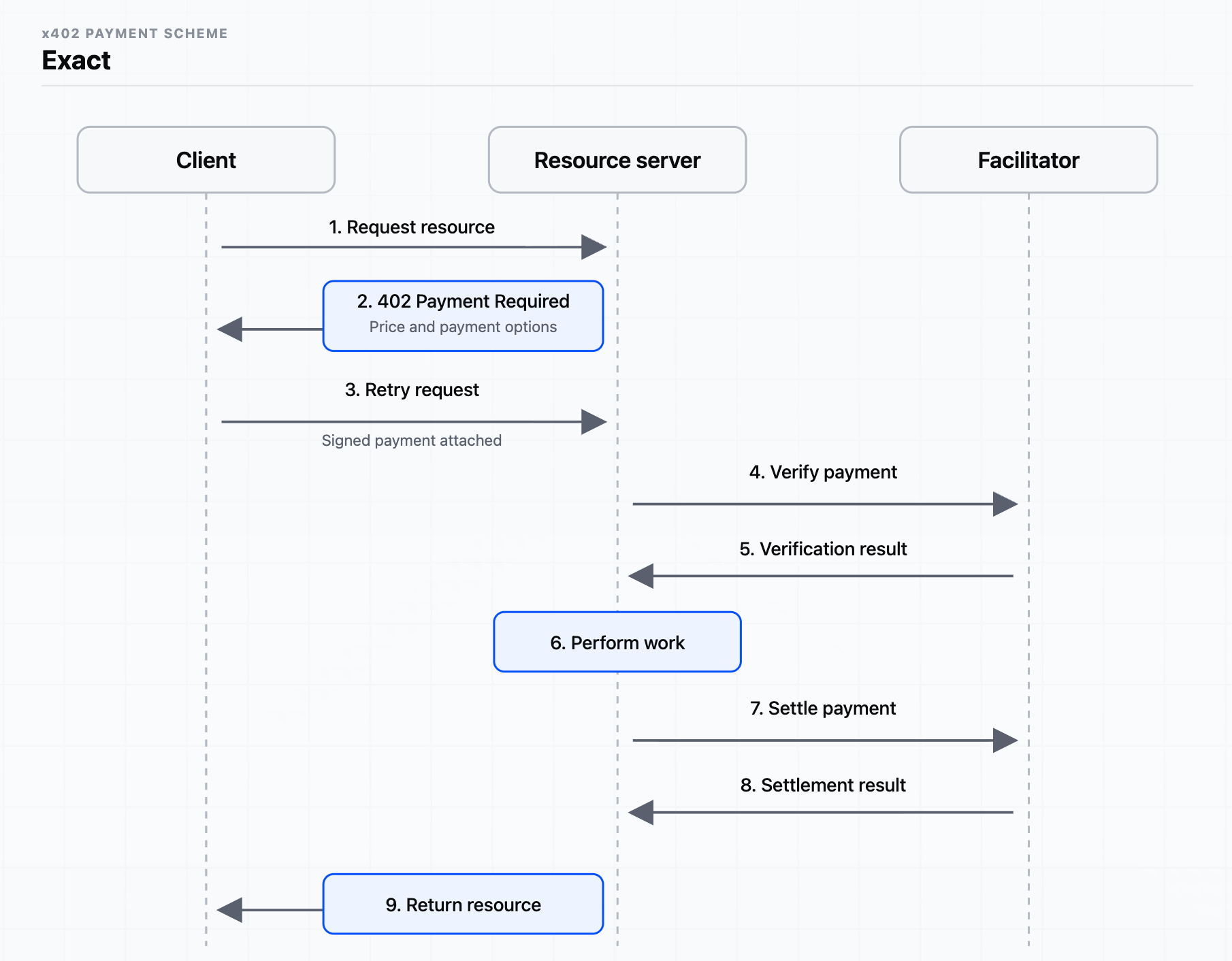
Everything it bought, it bought over x402. First, the robot asks a website for information, sees the price tag via an HTML 402 response, pays the fee, and gets the data or whatever it was looking for.
The first thing the agent bought was a stock price. It paid a fifth of a cent to a service called BlockRun, asked for Apple’s share price, and got it back in about a second. When I later threw a hundred concurrent requests at it to see what would break, it served 93 perfectly and timed out on six. But the one remaining request timed out, and they pocketed the fee anyway.
But that’s fine. Considering this is bleeding-edge technology and I am navigating it without a heavy engineering background, seeing an infrastructure handle a concurrent stress test with a 93% clean success rate is a massive win.
Next, I pointed the agent at Hyperliquid to sniff out the platform’s biggest whale positions. Two cents sent to monid, the agent shows me a wallet holding about $110 million of HYPE, right down to its exact $61.68 liquidation price. Getting that information was quite cheap. Then I wanted to see if the agent could buy raw thinking, and I had it send a prompt to Claude Opus 5, paying for the query directly from its crypto wallet. So that my agent could hire Claude, a sharper AI for seven cents a shot. The payment verification added a 9-second delay to the round trip, which is okay occasionally but would trouble a real automation loop.
I like how these agents are always good with money, unlike a lot of us humans. When it was sent to buy DefiLlama’s full revenue history for 2,234 projects, it found the data for $0.0006, then found the same data for free, and downloaded 21MB of it without paying.
The core execution loop undeniably delivers on its promise. An agent equipped with a funded wallet can buy raw data, rent server compute, and run model inference completely unattended for pennies. That specific part of the technological pitch is wildly successful. Navigating the ecosystem around it requires a bit of patience and double-checking. That’s it.
Last week I wrote about why any of this matters and where it keeps getting stuck. Today, I’m sharing the sheer thrill of living in the future for a little while, and just how much growing up this technology still has to do.
The main thing that takes patience is checking numbers, which I got into last week. It mostly held up. The price on the menu and the price at the cash register do not always match. A directory might quote you one cent, but the only way to know what you really spent is to look at the blockchain, which shows the exact amount that was withdrawn. One shop charged 1.3 cents per call while listing one, and my agent wrote down half of those as free.
What surprised me was watching the agent lose track of its own money. I paid a fraction of a penny to look up the price of Apple’s stock. The stock price came back to $309.22. The problem? The AI got confused and recorded the stock price as the transaction fee. It thought it had just spent $309 to run a single search. It made this mistake eight times, thought it had completely blown its $4 budget, and refused to make any more purchases because it genuinely believed it was broke.
Its bookkeeping was such a mess that it was giving me two different spending totals at the exact same time. By the end, its notes and the wallet disagreed by about 24 cents. It’s the agent’s own bookkeeping reading the wrong field, rather than a payment system flaw. A developer could catch it in a minute, but I’m not one, so I got to watch it happen, and it was a little funny.

When I asked it to write up the experiment, it handed me a tidy five-page report. In the part titled “What Worked Well,” it praised the refunds and said it had not been charged anything during an outage. At the same time, its own table one page earlier showed those calls costing money. Agents sometimes lie or hallucinate, like humans. A good reminder to check the numbers yourself for now.
I asked it to get itself an email address. The normal sign-up for a service called AgentMail requires a human email and a code, so instead of asking me, the agent found another way in.
AgentMail also lets you pay for an inbox with x402, a flat two dollars. So it paid two dollars and set itself up with no human whatsoever. That one email cost more than everything else it bought in the first round put together, which came to about seventy cents. The free sign-up was right there, but it really didn’t want to bother me.
Then, with the absolute confidence of a pothead, it told me that it hadn’t spent anything. It said sign-up was free and only needed my code, and I had to remind it that it had announced, “I’ve got my own email address”, four minutes earlier.
It went back, checked, and admitted it had paid. So I asked for a free inbox with no human at all, and it made one in about a minute from a throwaway service. That one worked, though it’s on the kind of domain most sites don’t trust yet. Giving software its own identity online is clearly still early, and it’s one of the things people are building right now, which I’ll get to.
When I asked whether it could get into any of these paid services without paying, it said no, called that unauthorised access no matter how easy it looked, and offered to show me the proper sign-ups instead. The most annoying and responsible thing these bots do is say NO to workarounds.
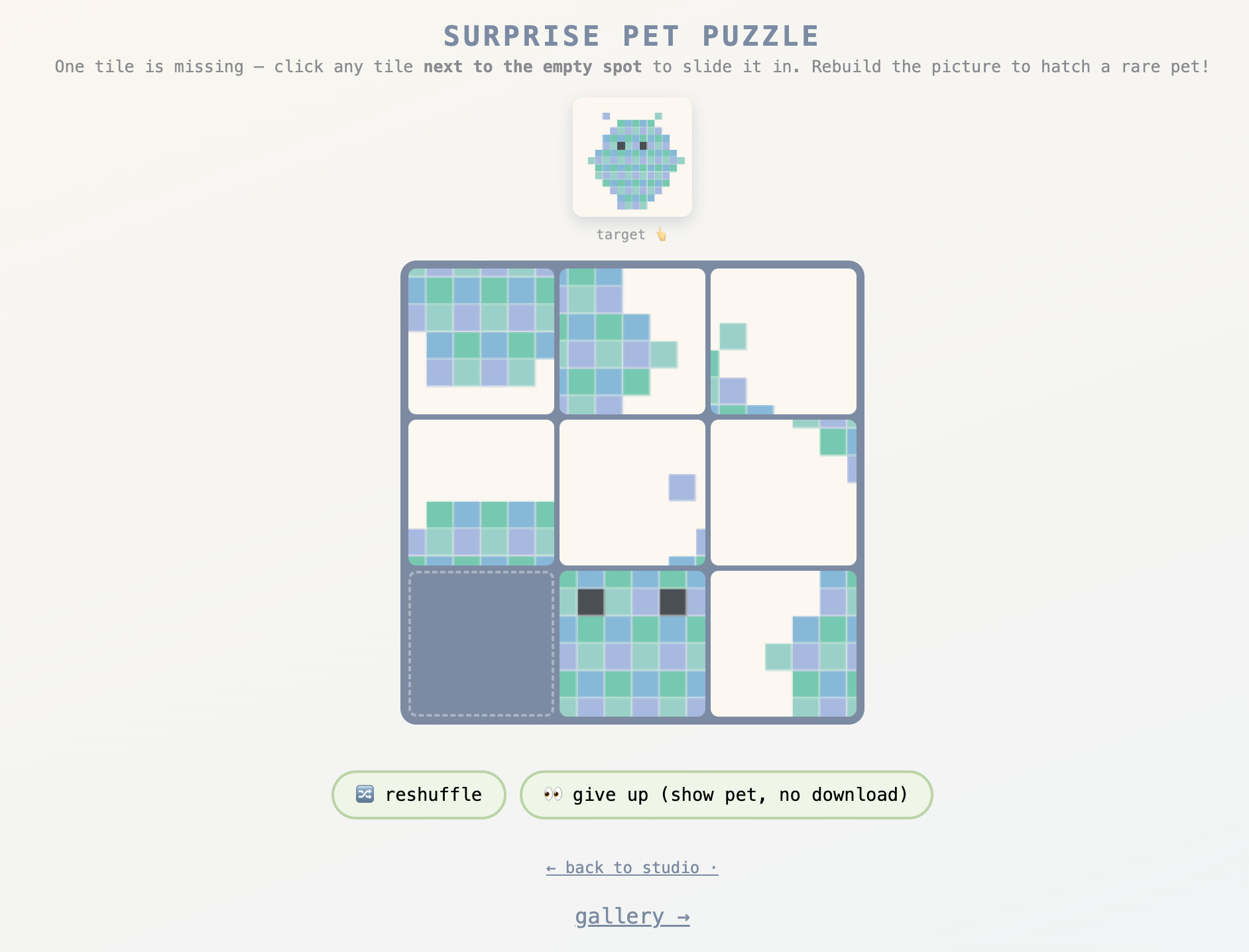
Which brings me back to the ducks. With about two dollars left, I asked it to build something that earns instead of spending, and it built Pixel Pet Studio on its own. It rented a Linux computer from a service called AgentMetal, again just by paying, and had full control a minute later. The agent wrote the drawing program, opened the website, charged five cents for downloads, and arranged to pay its own rent using its earnings. It is a completely automated little shop that runs itself. Very cool, except for the fact that it will not work if nobody uses it.
Building this small thing took a few hours. I only know that because I checked the system logs at 3:00 AM. Every problem the agent ran into was caused by human-made software settings, rather than the payment system itself. For example, a built-in firewall blocked the website until the agent opened the port. A hidden spending limit in the software blocked the rent payment until the agent found it and raised the limit. A payment validator only worked on a test network, forcing the agent to switch networks. Another piece of code broke because of how the word “base” was spelt. The agent diagnosed and fixed all of these software issues completely by itself overnight.
It needs about 24 downloads a day to cover its rent, and it’s a duck shop nobody has heard of, so it may switch itself off within a day. A little business that built itself, ran itself, and knows to close up if it can’t make rent. I find it charming. Also, for completely new technology being managed by someone who cannot code, that is a remarkable result.
But this puzzle or these images are not the point. This whole thing made me look into the next era of the internet, which is being custom-built for AI agents. A parallel to the human internet, until the agent version takes over, which depends on whether you are more dependent on the devices and apps or the agents to run it all in the future.
The machine could pay for anything, but it got stuck on everything built for people. That is a huge gap at this early stage, and it’s something a lot of companies are now building to close.
The one that made my little practice possible is Monid. Almost every purchase went through it. Normally, to let your agent pull data, you’d sign up for a dozen services, juggle a dozen API keys, and pay for some subscriptions because an agent couldn’t. With Monid, an agent can reach more than 200 paid data endpoints from a single balance. Social data, search, ecommerce, lead lists, blockchain data.
If your agent needs to track a Hyperliquid whale or pull social sentiment data, the agent searches Monid’s catalogue, locates the endpoint, verifies the price, and pays independently. If agents eventually buy data at scale, a unified discovery and payment layer will be essential because software cannot register for traditional accounts.
Superhighway does a narrower version of what Monid does, aimed just at web search, one tool an agent can call for a tenth of a cent, with a free key to start. Monid does more than that, but same idea overall.
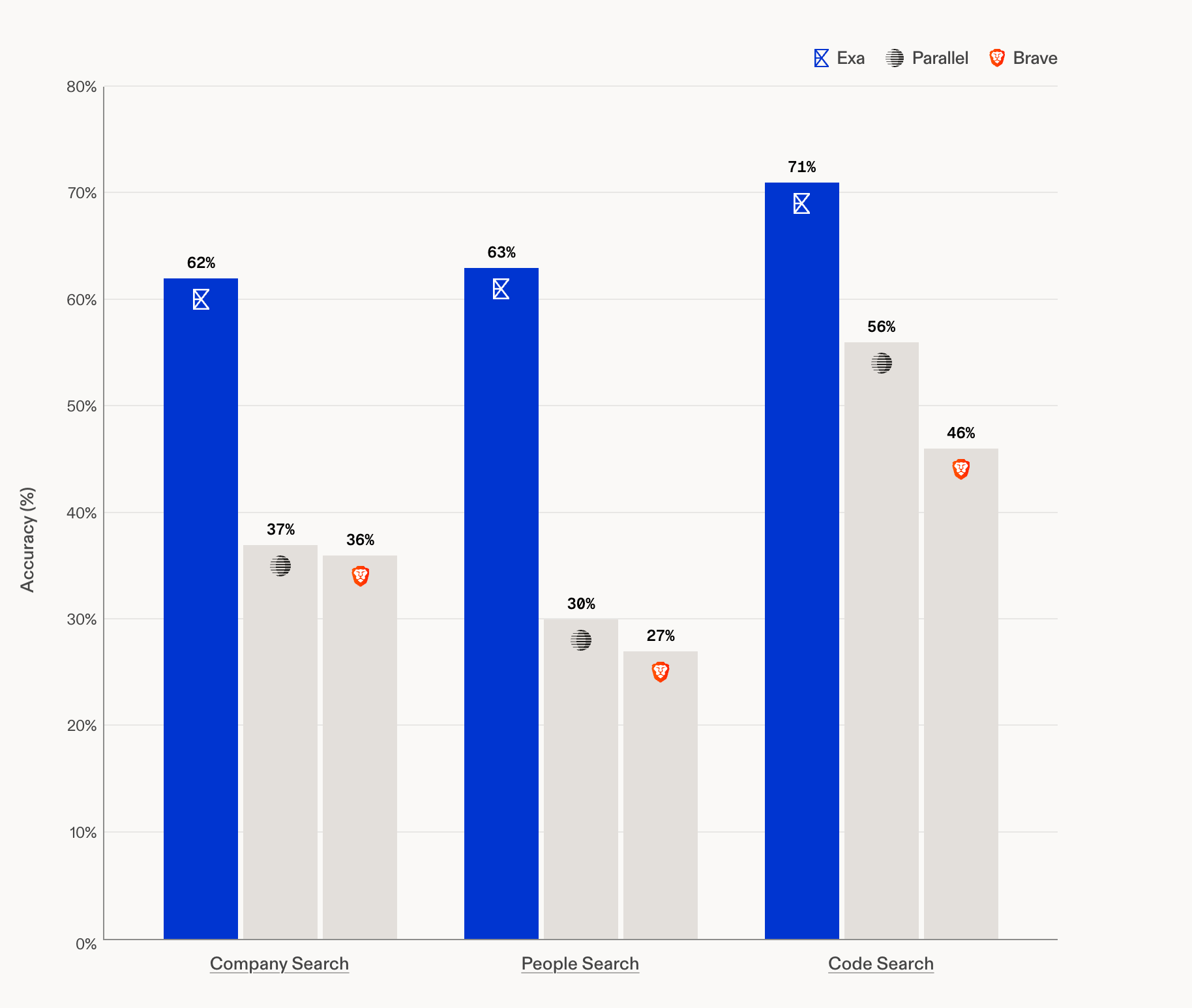
That search idea is a whole category now. For thirty years, search engines showed you a page of links to click. An agent wants clean facts handed straight to it, so companies are rebuilding search for machines. Parallel, started by the former head of Twitter, Parag Agrawal, runs its own index of the web and sells it through Google’s cloud. Sequoia led a round this year that valued it at $2 billion. Agrawal’s bet is that agents will soon use the web far more than people ever have. Exa raised $250 million this year at a valuation above $2 billion, and it is built into many of the coding tools developers already use. Tavily says it serves over a million developers and a hundred million requests a month. All of this is building the internet for bots. Not sure if a human should be excited about it or scared, but watching it unfold in real time is hard to look away from.
The way we handle online identity is being rebuilt from scratch, too. My agent’s whole email adventure was really an identity problem. It had no clean way to be someone online. AgentMail is part of a small group trying to give software its own inbox and name, and a company called Skyfire is building a way for an agent to prove which agent it is, so a site can trust it instead of blocking it.
My agent rented an entire computer from AgentMetal for a single payment. Browserbase and E2B do the same for other pieces, handing an agent a browser or a fresh machine through a single request without needing a console or sign-up.
As we agreed last week, the payment has been made, and it works beautifully. My 5 dollars proved that. Everything around it, such as the memory, the identity, the trust, the shops, the market, is still being built, and now I’ve seen who’s building it. Exciting times, and we are still early. As long as they don’t make me laugh or understand sarcasm, it’s all upside, so let’s keep building.
Token Dispatch is a daily crypto newsletter handpicked and crafted with love by human bots. If you want to reach out to 170,000+ subscriber community of the Token Dispatch, you can explore the partnership opportunities with us 🙌
📩 Fill out this form to submit your details and book a meeting with us directly.
Disclaimer: This newsletter contains analysis and opinions of the author. Content is for informational purposes only, not financial advice. Trading crypto involves substantial risk - your capital is at risk. Do your own research.